Rosh Hashanah, the Jewish New Year, is a holiday filled with joy, reflection, and the hope for a sweet year ahead. Central to the celebration is food: traditional dishes symbolize blessings, health, and abundance.
Whether you’re planning a festive dinner, a casual family gathering, or a modern holiday spread, these Rosh Hashanah recipes will help you honor tradition while adding your own flavor. From apple desserts and honey-glazed mains to vibrant salads and comforting soups, there’s something for every table.
👉 Pair these ideas with our Round Challah or Oven-Braised Brisket for a classic holiday menu.
Table of Contents
Why Food Matters on Rosh Hashanah
- Apples & honey: A wish for a sweet year.
- Fish: Symbolizes fertility and prosperity.
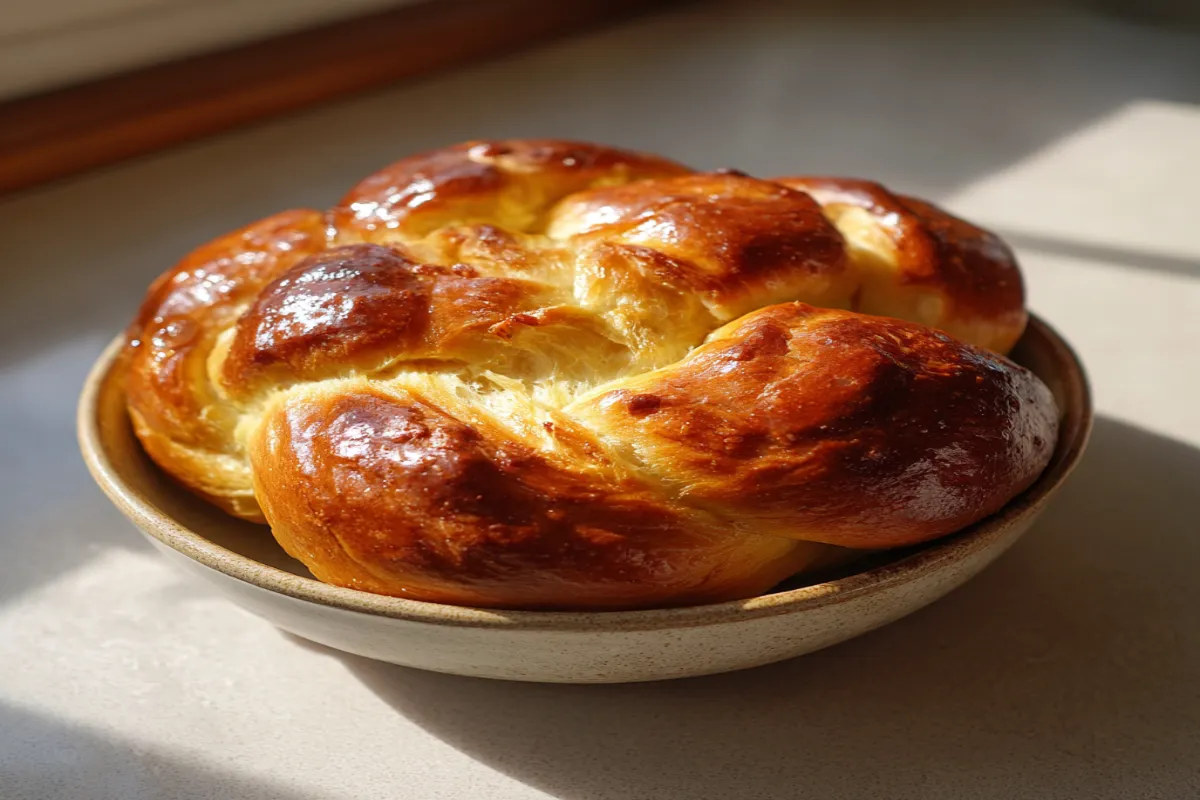
- Challah: Round shape represents the cycle of the year.
- Carrots & tzimmes: Sweetness and abundance.
- Pomegranates: 613 seeds symbolize the commandments and blessings.
Traditional Rosh Hashanah Recipes
1. Round Challah with Apples & Honey
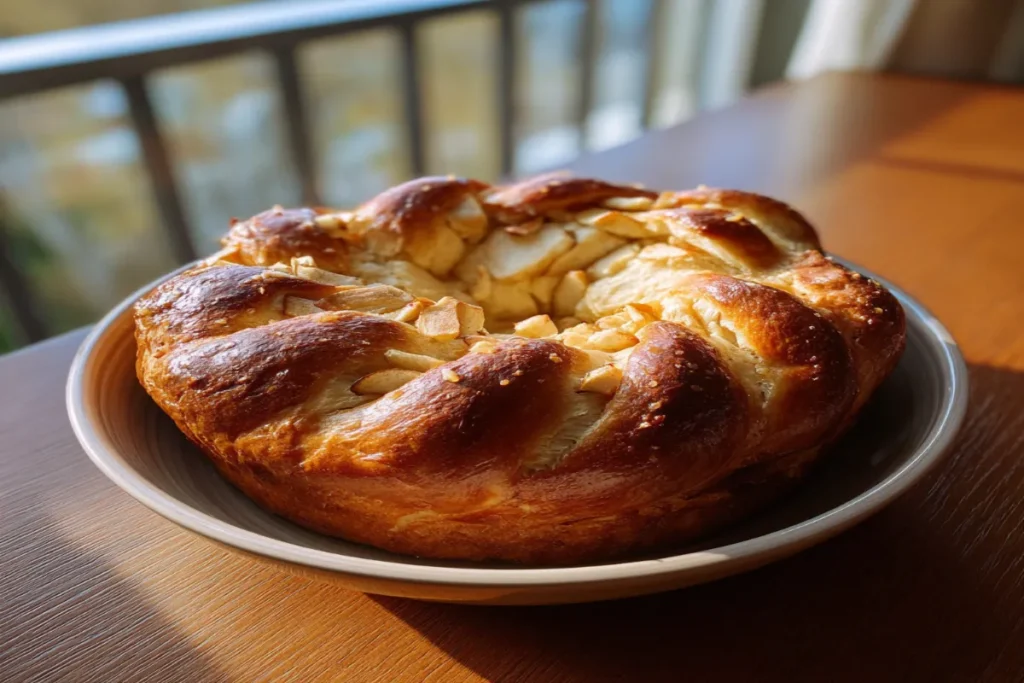
- Soft, golden challah bread braided into a round loaf.
- Often filled with apples or raisins and brushed with honey glaze.
2. Honey Cake
- Moist, spiced cake with honey, coffee, and warm spices.
- Served at the start of the meal for good luck and sweetness.
3. Tzimmes (Carrots & Sweet Potatoes)
- Slow-cooked dish with carrots, sweet potatoes, and honey.
- Represents prosperity and blessing for the year.
4. Brisket (Oven-Braised)
- Sweet and savory brisket roasted low and slow.
- Perfect centerpiece for Rosh Hashanah dinner.
5. Matzo Ball Soup
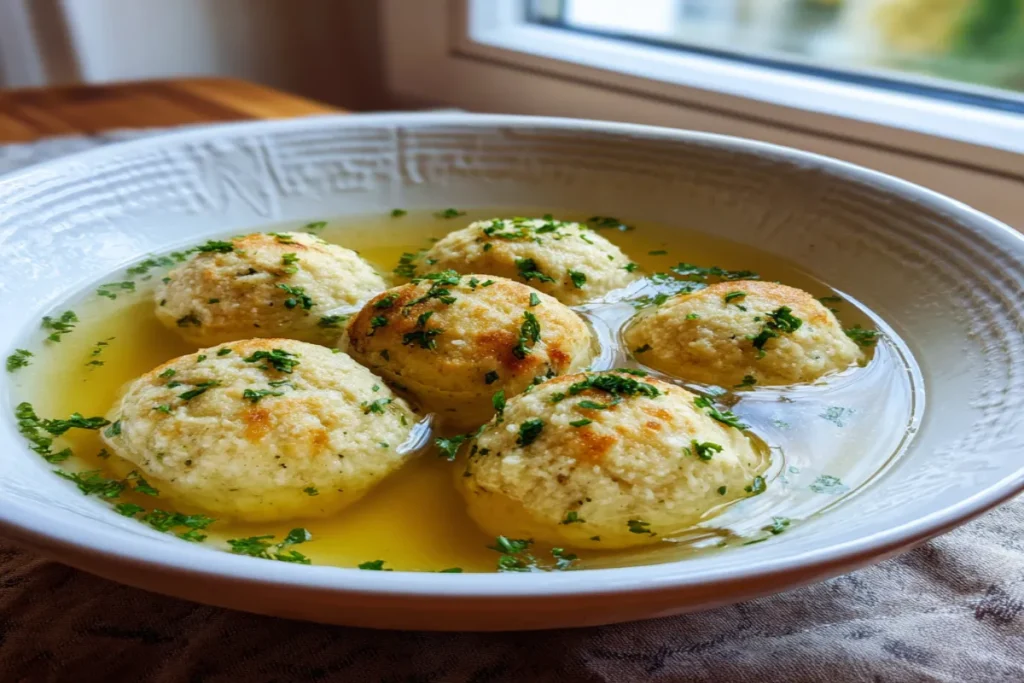
- Classic starter for Jewish holiday tables.
- Light, fluffy matzo balls floating in rich chicken broth.
Modern Twists on Rosh Hashanah Recipes
- Apple Cider Vinegar Salad Dressings: Add tangy balance to sweet dishes.
- Pomegranate & Persimmon Salad: Seasonal, vibrant, and refreshing.
- Roast Chicken with Apples & Honey: Lighter alternative to brisket.
- Vegan Kugel with Apples: A plant-based take on traditional noodle kugel.
- Curried Butternut Squash Soup: Warm, spiced alternative to matzo ball soup.
Rosh Hashanah Menu Ideas
Classic Menu
- Round Challah with Apples & Honey
- Matzo Ball Soup
- Oven-Braised Brisket
- Tzimmes
- Honey Cake
Vegetarian Menu
- Pomegranate & Persimmon Salad
- Butternut Squash Soup
- Vegan Sweet Noodle Kugel
- Stuffed Acorn Squash
- Apple Cake
Modern Fusion Menu
- Fire Cider Tonic (welcome drink)
- Roast Chicken with Date Glaze
- Couscous with Pomegranate Seeds
- Seasonal Salad with ACV Vinaigrette
- Rugelach or Honey Cookies
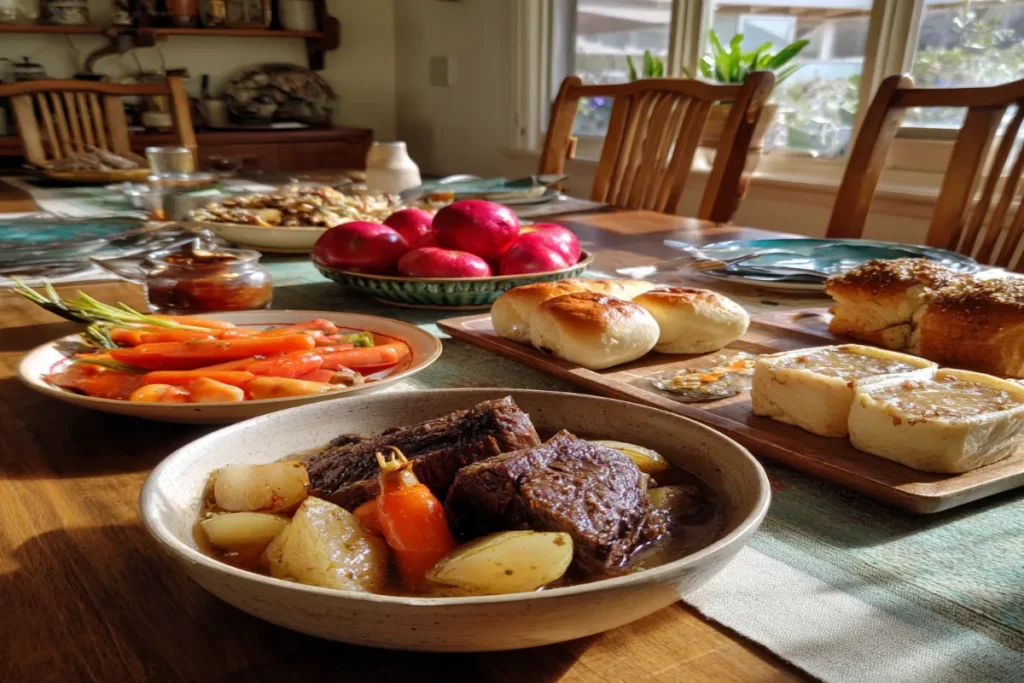
Hosting Tips for Rosh Hashanah Dinner
- Plan ahead—many dishes (like brisket and honey cake) taste better the next day.
- Mix traditions with modern dishes to engage younger guests.
- Incorporate symbolic foods (apples, pomegranates, carrots).
- Set the table with festive colors: white, gold, and red.
- Offer vegetarian or vegan options for inclusivity.
FAQ – Rosh Hashanah Recipes
What are traditional Rosh Hashanah dishes?
Common dishes include apples with honey, round challah, honey cake, tzimmes, brisket, and pomegranates.
What are 5 interesting facts about Rosh Hashanah?
It’s the Jewish New Year but falls in autumn, not January.
It lasts two days in most communities.
The shofar (ram’s horn) is blown as a call to reflection.
Foods symbolize blessings and prosperity.
The name means “Head of the Year” in Hebrew.
What are the rules for cooking on Rosh Hashanah?
Cooking is allowed, but traditional rules of Yom Tov apply:
You may cook using pre-existing flames.
No writing, using electronics, or starting new fires.
Many prepare food in advance.
Are there any food restrictions during Rosh Hashanah?
There are no specific restrictions, but many avoid bitter or sour foods to emphasize sweetness. Some Ashkenazi Jews avoid nuts, as the Hebrew word for nut (egoz) has the same numerical value as the word for sin.
Recipes You May Like
- Apple Cake / Applesauce Cake – seasonal dessert
- Honey + ACV Switchel – historic tonic
- Traditional Sweets: Rugelach / Teiglach / Duvshaniyot – honey cookies
Conclusion
Rosh Hashanah recipes go beyond delicious food—they are traditions that bring families together and symbolize hope for a sweet new year. By blending classic dishes with modern variations, you can create a holiday menu that honors heritage while staying fresh and exciting.
👉 Explore more holiday recipes to make your table festive and memorable.
Print
Rosh Hashanah Recipes – Sweet, Symbolic, and Festive Dishes for the New Year
- Total Time: 2 hours 30 minutes
- Yield: 6–8 servings
- Diet: Kosher
Description
Celebrate Rosh Hashanah with a collection of classic, vegetarian, and modern fusion recipes symbolizing sweetness, prosperity, and new beginnings.
Ingredients
- Round challah bread dough
- Apples or raisins
- Honey
- Flour, sugar, yeast, eggs (for challah)
- Honey, coffee, cinnamon, cloves, nutmeg (for honey cake)
- Carrots and sweet potatoes (for tzimmes)
- Brisket, onions, carrots, broth (for oven-braised brisket)
- Matzo meal, eggs, chicken broth (for matzo ball soup)
- Apples, pomegranate, persimmon (for salads)
- Butternut squash, curry spices (for soup)
- Noodles, apples (for kugel)
Instructions
- Round Challah with Apples & Honey: Braid challah into a round loaf, add apples or raisins, brush with honey glaze, and bake until golden.
- Honey Cake: Mix honey, coffee, and spices into a batter, bake until moist and fragrant.
- Tzimmes: Slow-cook carrots and sweet potatoes with honey until tender and sweet.
- Brisket (Oven-Braised): Roast brisket low and slow with onions and broth for a tender centerpiece.
- Matzo Ball Soup: Form light matzo balls and simmer in rich chicken broth.
- Modern Twists: Prepare apple cider vinegar dressings, pomegranate salads, roast chicken with honey glaze, vegan kugel, or curried butternut squash soup.
- Menu Ideas: Build a Classic, Vegetarian, or Modern Fusion menu by combining these dishes for the holiday table.
Notes
Rosh Hashanah recipes focus on sweetness, seasonal produce, and symbolic foods to welcome the new year with hope and prosperity.
- Prep Time: 30 minutes
- Cook Time: 2 hours
- Category: Holiday Recipes, Dinner
- Method: Baking, Roasting, Simmering
- Cuisine: Jewish
Nutrition
- Serving Size: 1 portion
- Calories: 380
- Sugar: 22g
- Sodium: 340mg
- Fat: 14g
- Saturated Fat: 4g
- Unsaturated Fat: 8g
- Trans Fat: 0g
- Carbohydrates: 52g
- Fiber: 5g
- Protein: 12g
- Cholesterol: 45mg