
Sweet, nutty, and shaped like its namesake, acorn squash is a beloved fall and winter vegetable. With its tender orange flesh and edible green skin, this squash is not only versatile in the kitchen but also packed with nutrients.
From roasting to stuffing to blending into soups, acorn squash offers countless ways to add warmth and comfort to your seasonal table. In this guide, you’ll discover everything you need to know about cooking with acorn squash, including recipes, health benefits, storage tips, and FAQs.
👉 Try pairing acorn squash dishes with Oven-Braised Brisket or Round Challah for a festive meal.
Table of Contents

Why You’ll Love Cooking with Acorn Squash
- Nutrient-dense: High in fiber, vitamin C, potassium, and antioxidants.
- Versatile: Roast, stuff, mash, or puree into soups.
- Naturally sweet: Its nutty flavor pairs beautifully with herbs, butter, and maple syrup.
- Family-friendly: Mild taste appeals to kids and adults alike.
- Meal-prep ready: Stores well and can be cooked ahead.
How to Select & Store Acorn Squash
- Look for: Dark green skin with patches of orange. Firm and heavy for its size.
- Avoid: Soft spots or dull, wrinkled skin.
- Storage: Keep whole squash in a cool, dark place for up to 1 month.
- Cut or cooked: Store in airtight container in fridge for 3–4 days, or freeze up to 3 months.
Popular Ways to Cook Acorn Squash
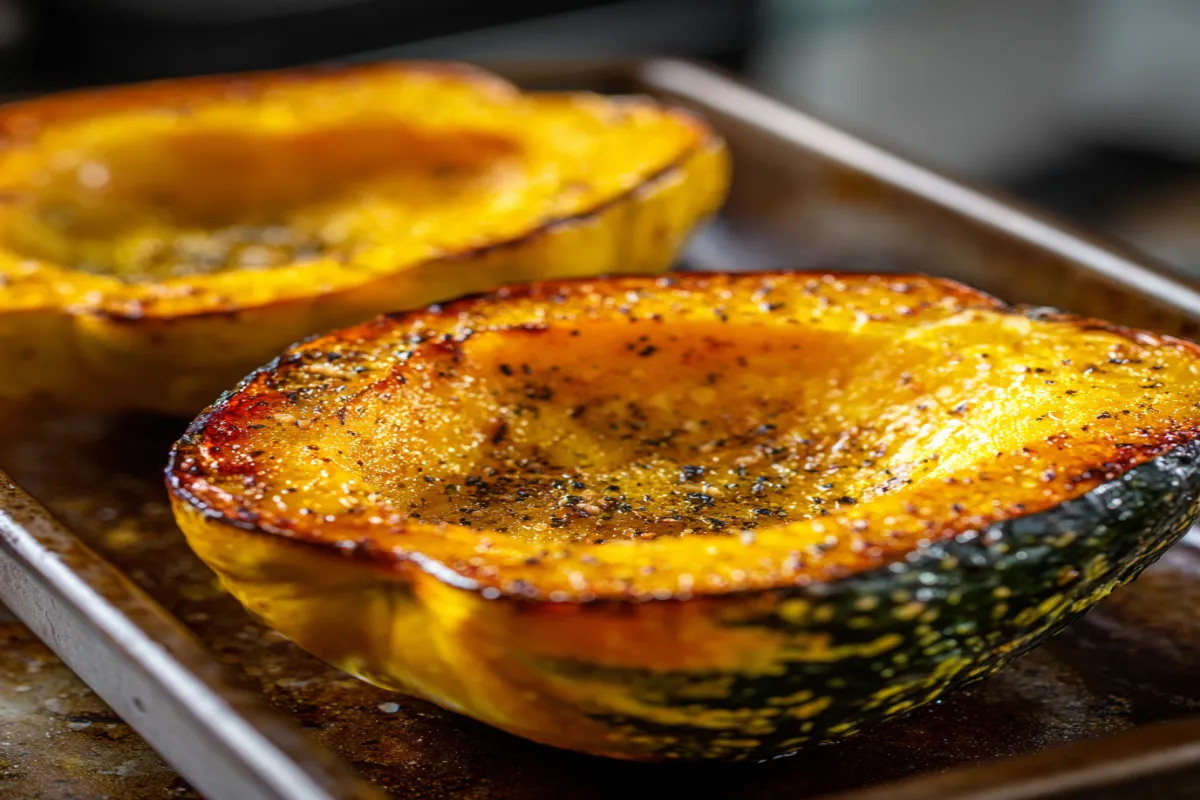
1. Roasted Acorn Squash
- Slice squash in half, scoop seeds, brush with olive oil, season with salt and pepper.
- Roast at 400°F for 40–50 minutes until tender and caramelized.
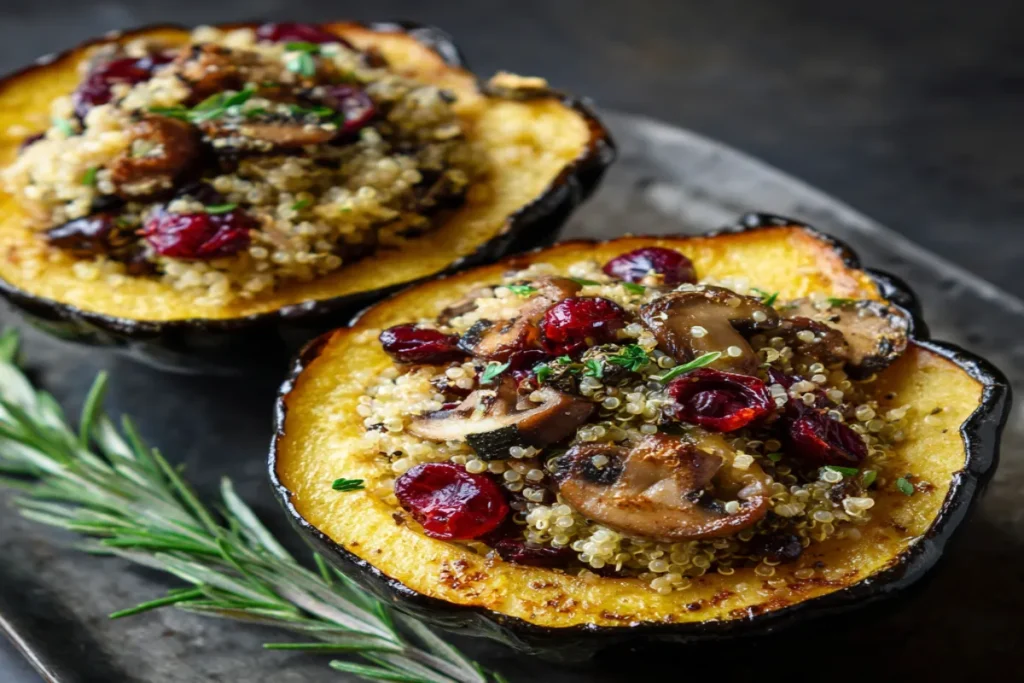
2. Stuffed Acorn Squash
- Roast halves until tender. Fill with a mixture of quinoa, mushrooms, cranberries, and herbs.
- Bake another 15 minutes for a hearty vegetarian main.
3. Acorn Squash Soup
- Roast squash, then blend with onions, garlic, broth, and a splash of cream.
- Try mixing with Butternut Squash for a double-squash soup.
4. Mashed Acorn Squash
- Steam or roast until soft. Mash with butter, cinnamon, and nutmeg for a side dish.
Flavor Pairings for Acorn Squash
- Sweet: Maple syrup, honey, cinnamon, brown sugar.
- Savory: Sage, thyme, rosemary, garlic.
- Rich: Brown butter, parmesan, goat cheese.
- Zesty: Lemon juice, balsamic glaze, chili flakes.
Nutrition Benefits of Acorn Squash
- Calories: Low in calories yet filling.
- Fiber: Supports digestion and fullness.
- Vitamin C: Boosts immunity.
- Potassium: Promotes heart health.
- Antioxidants: Help fight inflammation.

FAQ – Acorn Squash
Can you mix butternut and acorn squash for soup?
Yes! The nutty sweetness of acorn squash pairs beautifully with the creamy texture of butternut squash. Mixing both creates a balanced, flavorful soup.
What is the acorn squash problem?
The “acorn squash problem” often refers to the difficulty of cutting it open due to its ridged shape and tough skin. To make it easier, microwave for 2 minutes before slicing.
Which is healthier, acorn squash or butternut squash?
Both are healthy, but they differ slightly:
Acorn squash: Higher in fiber and potassium.
Butternut squash: Higher in vitamin A and C.
👉 The best choice depends on your nutritional goals.
Are you supposed to eat the skin of acorn squash?
Yes. Once roasted, the skin becomes tender and edible. Many people enjoy the skin for its added fiber, though it’s optional.
Recipes You May Like
- Butternut Squash Bisque with Cream & Nutmeg – silky classic
- Maple-Roasted Butternut & Carrot Soup – cozy sweetness
- Spicy Chipotle Butternut Squash Soup – smoky kick
Conclusion
Acorn squash is one of autumn’s most versatile vegetables—delicious roasted, stuffed, mashed, or blended into soups. With its mild sweetness, nutrient density, and edible skin, it’s a vegetable worth celebrating all season long.
👉 Discover more seasonal squash recipes to bring warmth and flavor to your fall table.
Print
Acorn Squash – Recipes, Nutrition, and Cooking Secrets
- Total Time: 1 hour 5 minutes
- Yield: 4 servings 1x
- Diet: Vegetarian
Description
Four delicious ways to enjoy acorn squash: roasted, stuffed, made into soup, or mashed into a cozy side dish.
Ingredients
- 1–2 acorn squash
- Olive oil
- Salt and black pepper
- 1 cup cooked quinoa
- 1 cup mushrooms, chopped
- 1/2 cup dried cranberries
- Fresh herbs (thyme, rosemary, parsley)
- 1 onion, chopped
- 3 garlic cloves
- 3 cups vegetable broth
- 1/2 cup cream
- 2 tbsp butter
- 1/2 tsp cinnamon
- 1/4 tsp nutmeg
Instructions
- Roasted Acorn Squash: Slice squash in half, scoop out seeds, brush with olive oil, season with salt and pepper. Roast at 400°F (200°C) for 40–50 minutes until tender and caramelized.
- Stuffed Acorn Squash: Roast squash halves until tender. Fill with a mixture of quinoa, mushrooms, cranberries, and herbs. Bake another 15 minutes.
- Acorn Squash Soup: Roast squash, then blend with onions, garlic, broth, and a splash of cream. Optionally, mix with butternut squash for a double-squash soup.
- Mashed Acorn Squash: Steam or roast until soft. Mash with butter, cinnamon, and nutmeg for a cozy side dish.
Notes
You can prepare the roasted base ahead of time and use it for stuffed squash, soup, or mash. Adjust seasoning to taste.
- Prep Time: 15 minutes
- Cook Time: 50 minutes
- Category: Side Dish, Main Course
- Method: Roasting, Baking, Blending
- Cuisine: American
Nutrition
- Serving Size: 1 portion
- Calories: 210
- Sugar: 6g
- Sodium: 180mg
- Fat: 9g
- Saturated Fat: 3g
- Unsaturated Fat: 5g
- Trans Fat: 0g
- Carbohydrates: 30g
- Fiber: 5g
- Protein: 4g
- Cholesterol: 10mg