
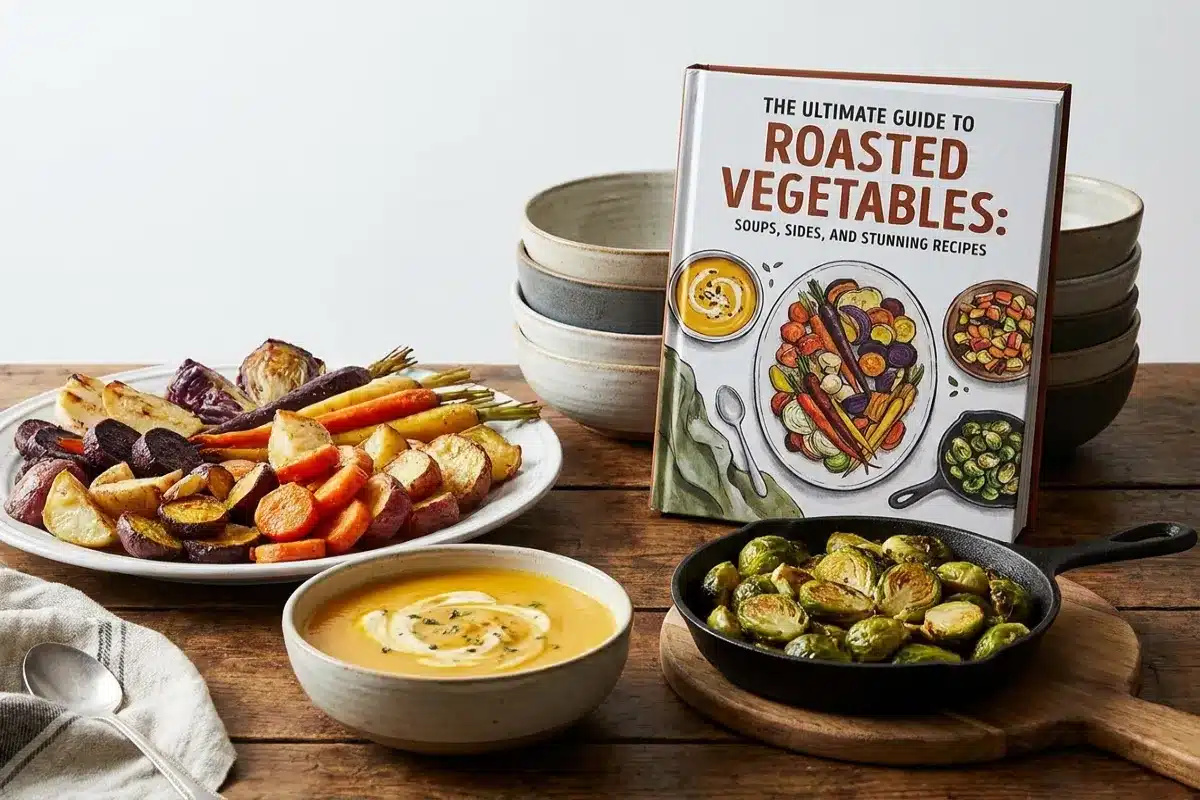
There is something almost magical about sliding a tray of raw vegetables into a hot oven and pulling out something completely transformed. The heat works its wonders — drawing out natural sugars, creating golden caramelized edges, and developing deep, complex flavors that steaming or boiling simply cannot achieve. Whether you are an experienced home cook or someone just beginning to explore the kitchen, roasted vegetable recipes deserve a permanent place in your cooking repertoire.
Roasting is forgiving, flexible, and fantastically flavorful. It requires minimal preparation, very little hands-on time, and delivers results that feel far more impressive than the effort involved. In this guide, we will walk you through everything you need to know about roasted vegetables — from the basic techniques to crowd-pleasing favorites like roasted broccoli and roasted carrots, and even show you how to turn your leftovers into a stunning roasted vegetable soup.
Delicious and Nutritious Sauteed Vegetables Ready in Minutes for a Healthy Side Dish
Table of Contents
The Science Behind Perfect Roasted Vegetables
Before diving into specific recipes, it helps to understand why roasting produces such exceptional results. When vegetables are exposed to high dry heat in the oven, two important processes take place:
1. The Maillard Reaction
This chemical reaction occurs between amino acids and sugars when food is exposed to heat above 280°F (140°C). It creates hundreds of new flavor compounds and produces that characteristic golden-brown color we associate with perfectly cooked food. It is the same reaction that makes bread crusty, steak beautifully seared, and roasted vegetables utterly irresistible.
2. Caramelization
As vegetables roast, their natural sugars break down and caramelize, producing a slightly sweet, nutty depth of flavor. This is especially noticeable in root vegetables like carrots, parsnips, and beets, but it works beautifully on almost every vegetable you can name.
Understanding these two processes explains the golden rules of roasting:
- High heat (400°F–450°F / 200°C–230°C) is essential
- Dry vegetables roast better than wet ones
- Space on the pan prevents steaming
The Golden Rules of Roasting Vegetables
Before we get into specific roasted vegetable recipes, here are the foundational principles that will guarantee success every single time:
Cut Evenly
Uniform pieces cook at the same rate. Aim for chunks or slices that are roughly the same size — typically one to two inches for most vegetables.
Dry Thoroughly
Moisture is the enemy of caramelization. Pat your vegetables dry with paper towels before tossing them in oil. This is especially important if you have washed them.
Don’t Skimp on Oil
A generous coating of good quality oil — olive oil, avocado oil, or even coconut oil — ensures even browning and prevents sticking. You want every surface lightly coated.
Season Generously
Salt draws out a little moisture initially, then concentrates flavor as the vegetables roast. Season well before roasting, and taste again when they come out of the oven.
Give Them Space
This is perhaps the most important rule. Overcrowded pans trap steam, and steamed vegetables are soft and pale rather than golden and caramelized. Use two pans if necessary, and resist the urge to pile everything together.
Use High Heat
Most roasted vegetables do best at 400°F to 425°F (200°C to 220°C). Some hardier root vegetables benefit from slightly longer cooking at slightly lower temperatures.
Roasted Broccoli: The Recipe That Converts Even the Skeptics
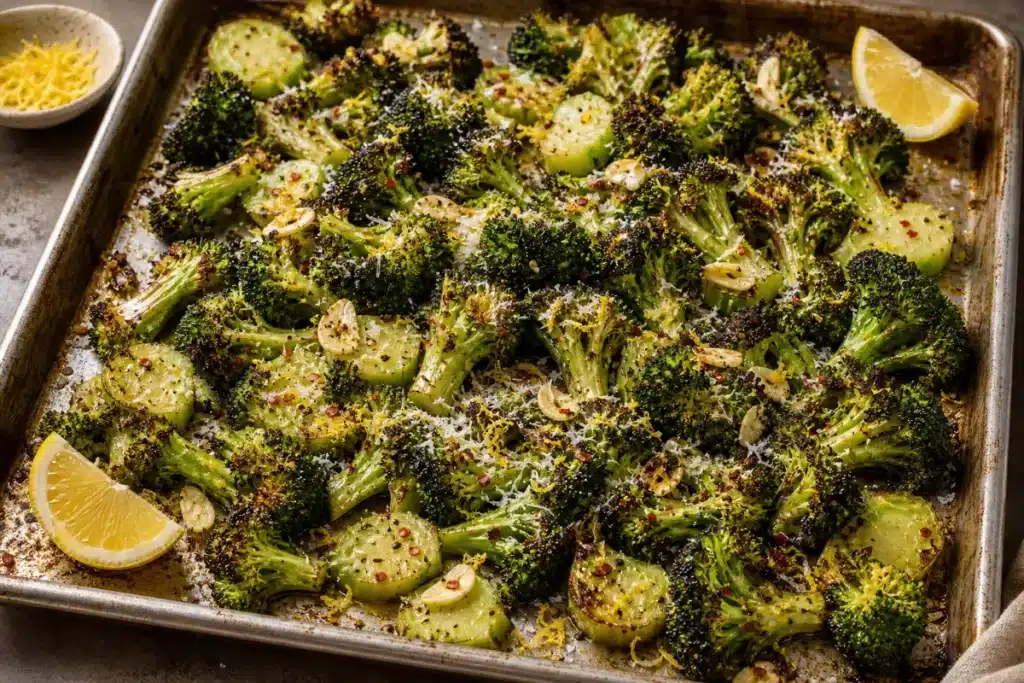
If you think you do not like broccoli, you have probably never had it roasted. Roasted broccoli is an entirely different experience from the soggy, pale florets that have turned so many people off this nutritional powerhouse. Roasting transforms broccoli into something crispy, slightly charred at the edges, nutty, and deeply savory.
Classic Roasted Broccoli with Garlic and Lemon
Serves: 4
Prep Time: 10 minutes
Cook Time: 20–25 minutes
Ingredients:
- 2 large heads of broccoli, cut into florets
- 4 tablespoons olive oil
- 4 cloves garlic, thinly sliced
- ½ teaspoon red pepper flakes (optional)
- Salt and freshly ground black pepper
- Juice of ½ lemon
- 2 tablespoons freshly grated Parmesan cheese (optional)
- Zest of 1 lemon
Method:
- Preheat your oven to 425°F (220°C). Line two large baking sheets with parchment paper or leave them unlined for better browning.
- Cut the broccoli into evenly sized florets. Do not discard the stems — peel them and slice into rounds for equally delicious results.
- Spread the florets across the baking sheets in a single layer, making sure no pieces overlap.
- Drizzle generously with olive oil, scatter over the sliced garlic and red pepper flakes, and season well with salt and black pepper.
- Toss everything together directly on the pan, then spread back into a single layer.
- Roast for 20–25 minutes, flipping once halfway through, until the edges are crispy and dark golden.
- Remove from the oven and immediately squeeze over the lemon juice. Scatter with lemon zest and Parmesan if using.
- Serve immediately.
Tips for Perfect Roasted Broccoli:
- Let the edges char slightly. Those dark, crispy bits are flavor. Do not be alarmed — they are not burnt, they are delicious.
- Include the stems. Broccoli stems are tender and sweet when roasted. Peel the tough outer layer and slice them up.
- Try adding anchovy paste. A small amount stirred into the olive oil adds extraordinary depth without making the dish taste fishy.
Variations:
- Asian-inspired: Swap olive oil for sesame oil, add a splash of soy sauce, and top with sesame seeds and a drizzle of honey.
- Cheesy broccoli: Add shredded cheddar in the last five minutes of cooking.
- Roasted broccoli with almonds: Toss in a handful of slivered almonds before roasting for added crunch and nutrition.
Roasted Carrots: Sweet, Caramelized, and Completely Irresistible
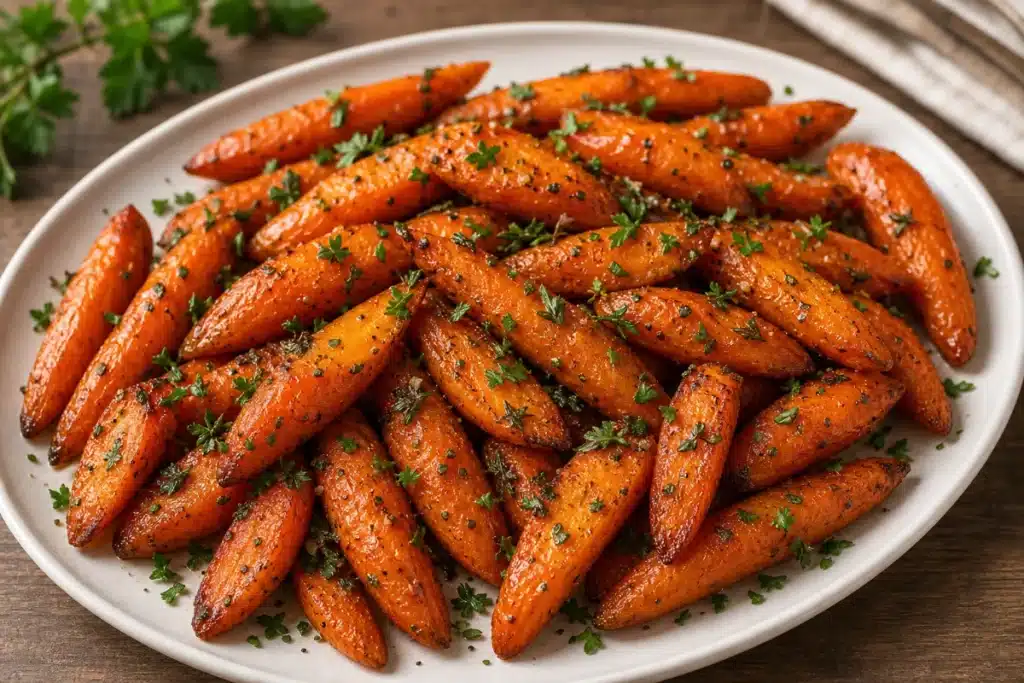
Roasted carrots are a study in transformation. Raw carrots are pleasant enough — crunchy and mildly sweet — but roasted carrots are something else entirely. The heat concentrates their natural sugars, creates beautifully caramelized edges, and produces a tender, almost buttery interior. They work equally well as a simple weeknight side dish or dressed up for a dinner party.
Honey and Thyme Roasted Carrots
Serves: 4–6
Prep Time: 10 minutes
Cook Time: 30–35 minutes
Ingredients:
- 1½ pounds (680g) carrots, peeled
- 3 tablespoons olive oil
- 2 tablespoons honey or maple syrup
- 1 teaspoon fresh thyme leaves (or ½ teaspoon dried)
- ½ teaspoon ground cumin
- Salt and freshly ground black pepper
- Fresh parsley, to serve
Method:
- Preheat your oven to 400°F (200°C).
- Peel the carrots and cut them into similar-sized pieces. For thin carrots, leave them whole or halve them lengthwise. For thicker carrots, cut on a diagonal into one-inch pieces.
- In a large bowl, whisk together the olive oil, honey or maple syrup, thyme, and cumin. Season with salt and pepper.
- Add the carrots and toss well until evenly coated.
- Spread in a single layer on a large baking sheet, ensuring pieces are not touching.
- Roast for 30–35 minutes, turning once halfway through, until the carrots are tender and caramelized at the edges.
- Transfer to a serving plate and scatter with fresh parsley.
Tips for Perfect Roasted Carrots:
- Cut uniformly. This is especially important with carrots, which vary dramatically in thickness. Either choose carrots of similar size, or cut them to match.
- Use honey carefully. Add honey too early in cooking and it can burn. For extra caramelization, add a small additional drizzle in the last ten minutes of cooking.
- Baby carrots work too. If you are short on time, baby carrots (patted dry) can go straight onto the pan.
Variations:
- Moroccan spiced: Replace cumin with a teaspoon of ras el hanout, add golden raisins, and top with toasted pine nuts and fresh mint.
- Balsamic glazed: Substitute balsamic vinegar for the honey and add a pinch of brown sugar.
- Spicy harissa carrots: Toss with harissa paste instead of honey for a fiery, North African-inspired side.
- Roasted carrots with ginger: Add freshly grated ginger to the oil mixture for a warming, aromatic variation.
The Art of the Mix: Roasted Vegetables as a Sheet Pan Masterpiece
One of the greatest joys of working with roasted vegetables is combining different varieties on a single pan to create a colorful, nutritious, and endlessly versatile dish. The key is pairing vegetables that have similar roasting times — or staggering their entry into the oven.
A Simple Guide to Roasting Times
| Vegetable | Approximate Roasting Time at 400°F |
|---|---|
| Cherry tomatoes | 15–20 minutes |
| Zucchini / courgette | 20–25 minutes |
| Bell peppers | 25–30 minutes |
| Broccoli / cauliflower | 20–25 minutes |
| Mushrooms | 20–25 minutes |
| Asparagus | 12–15 minutes |
| Carrots | 30–35 minutes |
| Parsnips | 30–35 minutes |
| Beets | 45–60 minutes |
| Potatoes | 40–50 minutes |
| Butternut squash | 35–45 minutes |
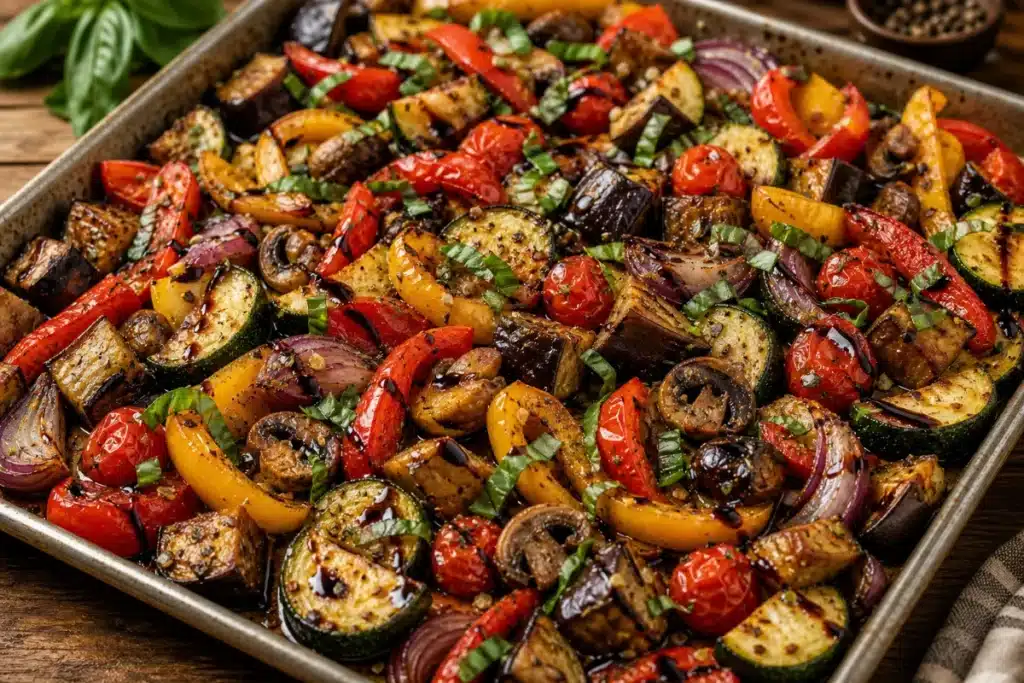
Mediterranean Sheet Pan Roasted Vegetables
This recipe produces a stunning, colorful tray of vegetables that can serve as a side dish, be tossed with pasta, layered into sandwiches, or refrigerated and used throughout the week.
Serves: 6
Prep Time: 15 minutes
Cook Time: 35–40 minutes
Ingredients:
- 1 red bell pepper, sliced
- 1 yellow bell pepper, sliced
- 1 medium zucchini, sliced into half-moons
- 1 red onion, cut into wedges
- 1 cup cherry tomatoes
- 1 medium eggplant, cubed
- 200g (7 oz) mushrooms, halved
- 5 tablespoons olive oil
- 3 cloves garlic, minced
- 1 teaspoon dried oregano
- 1 teaspoon smoked paprika
- Salt and freshly ground black pepper
- Fresh basil, to serve
- Balsamic glaze, to drizzle (optional)
Method:
- Preheat your oven to 400°F (200°C). Prepare two large baking sheets.
- Prepare all vegetables and place them in a large bowl. Add the olive oil, garlic, oregano, and paprika. Season generously with salt and pepper and toss well.
- Spread across the two baking sheets in a single layer.
- Roast for 35–40 minutes, stirring once halfway through, until all vegetables are tender and caramelized.
- Serve topped with fresh basil and a drizzle of balsamic glaze if desired.
Roasted Vegetable Soup: The Perfect Way to Use Leftovers
Here is one of the most useful cooking discoveries you will ever make: leftover roasted vegetables make the most extraordinary soup. The caramelized flavors that developed in the oven deepen even further when simmered in broth, producing a roasted vegetable soup that is rich, complex, and deeply satisfying — far superior to soup made from raw vegetables.
This recipe works with virtually any combination of roasted vegetables, making it the perfect zero-waste kitchen solution.
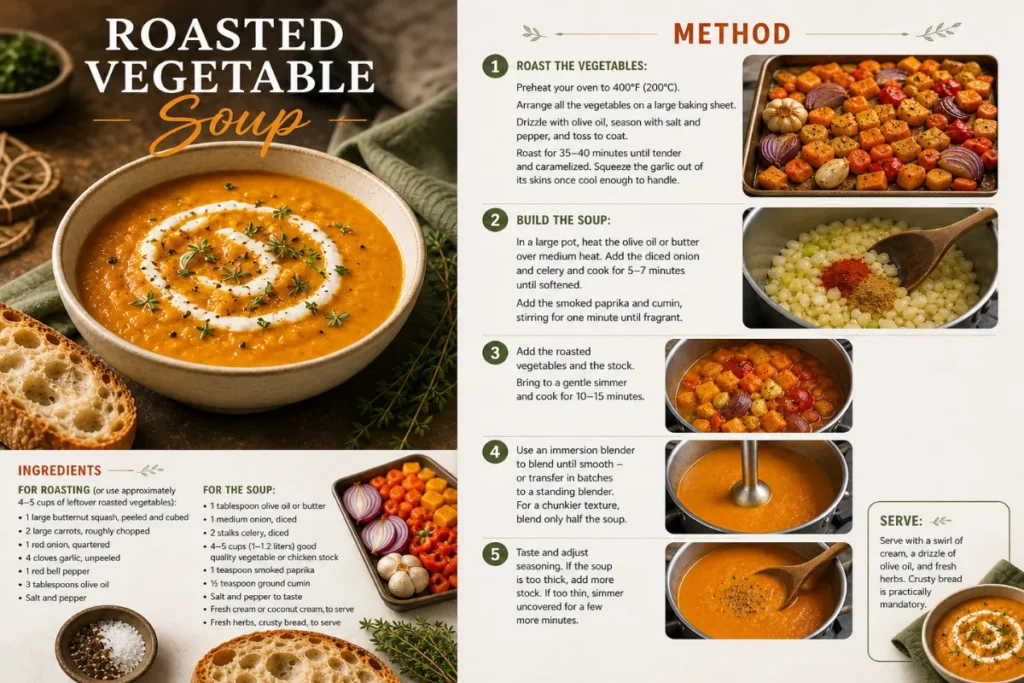
Rich Roasted Vegetable Soup
Serves: 4–6
Prep Time: 10 minutes (plus roasting time)
Cook Time: 25–30 minutes
Ingredients:
For roasting (or use approximately 4–5 cups of leftover roasted vegetables):
- 1 large butternut squash, peeled and cubed
- 2 large carrots, roughly chopped
- 1 red onion, quartered
- 4 cloves garlic, unpeeled
- 1 red bell pepper
- 3 tablespoons olive oil
- Salt and pepper
For the soup:
- 1 tablespoon olive oil or butter
- 1 medium onion, diced
- 2 stalks celery, diced
- 4–5 cups (1–1.2 liters) good quality vegetable or chicken stock
- 1 teaspoon smoked paprika
- ½ teaspoon ground cumin
- Salt and pepper to taste
- Fresh cream or coconut cream, to serve
- Fresh herbs, crusty bread, to serve
Method:
Step 1 — Roast the vegetables:
- Preheat your oven to 400°F (200°C).
- Arrange all the vegetables on a large baking sheet. Drizzle with olive oil, season with salt and pepper, and toss to coat.
- Roast for 35–40 minutes until tender and caramelized. Squeeze the garlic out of its skins once cool enough to handle.
Step 2 — Build the soup:
- In a large pot, heat the olive oil or butter over medium heat. Add the diced onion and celery and cook for 5–7 minutes until softened.
- Add the smoked paprika and cumin, stirring for one minute until fragrant.
- Add the roasted vegetables and the stock. Bring to a gentle simmer and cook for 10–15 minutes.
- Use an immersion blender to blend until smooth — or transfer in batches to a standing blender. For a chunkier texture, blend only half the soup.
- Taste and adjust seasoning. If the soup is too thick, add more stock. If too thin, simmer uncovered for a few more minutes.
- Serve with a swirl of cream, a drizzle of olive oil, and fresh herbs. Crusty bread is practically mandatory.
Tips for Outstanding Roasted Vegetable Soup:
- Roast a full pan specifically for soup. The extra hour of effort produces a soup that tastes as though it has been simmering all day.
- Include a potato or two. A roasted potato added to the soup helps create a naturally thick, creamy consistency without needing to add cream.
- Acid brightens everything. A squeeze of lemon juice or a splash of sherry vinegar stirred in just before serving lifts all the flavors and adds brightness.
- Do not skip the garnish. A good swirl of cream, some toasted pumpkin seeds, or a drizzle of chili oil takes a simple soup from satisfying to spectacular.
Variations:
- Roasted tomato and pepper soup: Use a base of roasted tomatoes, red peppers, and onions with a splash of cream for a classic bistro-style soup.
- Roasted broccoli and stilton soup: Blend roasted broccoli with stock and crumbled stilton for an elegant, deeply flavored winter soup.
- Roasted carrot and ginger soup: A base of roasted carrots with fresh ginger, coconut milk, and a touch of lime creates a vibrant, warming soup perfect for cold days.
- Spicy roasted vegetable soup: Add a roasted jalapeño or chipotle pepper to the vegetable tray for a smoky, spicy version.
Seasonal Guide to Roasted Vegetables
One of the beautiful things about roasting is that it works brilliantly year-round, simply adapting to whatever produce is in season and at its best.
Spring
- Asparagus — Roast at high heat for just 12–15 minutes, finish with lemon and Parmesan
- Spring onions — Whole roasted spring onions become silky and sweet
- Radishes — Surprising and delicious when roasted, they lose their sharpness and become tender
Summer
- Zucchini and summer squash — Quick to roast, great with fresh herbs
- Corn on the cob — Roasted corn develops incredible sweetness
- Cherry tomatoes — Slow-roast at 300°F for concentrated, jammy results
- Eggplant — Needs high heat to develop properly; salt first to remove bitterness
Autumn
- Butternut squash — The quintessential autumn roasting vegetable
- Beets — Wrap in foil and roast slowly; the results are extraordinary
- Cauliflower — Versatile and delicious, especially with spices
- Brussels sprouts — Roasting completely transforms this often-maligned vegetable
Winter
- Root vegetables — Parsnips, turnips, and celeriac shine in the oven
- Red cabbage — Roasted in wedges with a balsamic glaze
- Leeks — Become silky and sweet when roasted whole
Flavor Combinations and Seasoning Ideas
One of the greatest pleasures of cooking roasted vegetables is experimenting with different flavor profiles. Here are some proven combinations to inspire your next tray:
Classic and Simple
- Olive oil + garlic + rosemary + sea salt
- Olive oil + lemon zest + black pepper + Parmesan
Warm and Spiced
- Cumin + coriander + turmeric + a touch of chili
- Ras el hanout + honey + preserved lemon
Sweet and Savory
- Honey or maple syrup + wholegrain mustard + thyme
- Balsamic vinegar + brown sugar + rosemary
Asian-Inspired
- Sesame oil + soy sauce + ginger + sesame seeds
- Miso paste + rice wine vinegar + a touch of mirin
Bold and Smoky
- Smoked paprika + chipotle + lime
- Harissa paste + olive oil + fresh mint to finish
Nutritional Benefits of Roasted Vegetables
Beyond their extraordinary flavor, roasted vegetables are genuinely good for you. Roasting preserves significantly more nutrients than boiling, which leaches water-soluble vitamins into the cooking water. Here are some of the nutritional highlights:
Roasted Broccoli
Roasted broccoli is one of the most nutrient-dense foods available. Rich in vitamin C, vitamin K, folate, and fiber, broccoli also contains powerful antioxidants and compounds that research suggests may support immune function and overall health. Roasting it with a small amount of olive oil actually helps improve the absorption of fat-soluble nutrients.
Roasted Carrots
Roasted carrots are an excellent source of beta-carotene, which the body converts to vitamin A — essential for eye health, immune function, and skin. The fat in the olive oil used for roasting significantly improves beta-carotene absorption, making roasted carrots with oil more nutritious than raw ones.
General Benefits of Roasted Vegetables
- High in dietary fiber, supporting digestive health
- Rich in vitamins, minerals, and antioxidants
- Naturally low in calories but highly satisfying
- Versatile enough to support virtually any dietary approach
Meal Planning with Roasted Vegetables
One of the greatest practical advantages of learning to love roasted vegetables is how brilliantly they support meal planning. Roast a large batch on the weekend and use them throughout the week in a variety of ways:
| Day | How to Use Roasted Vegetables |
|---|---|
| Sunday | As a side dish with roast chicken or fish |
| Monday | Tossed with pasta, olive oil, and Parmesan |
| Tuesday | Blended into a quick roasted vegetable soup |
| Wednesday | Layered into a grain bowl with quinoa and tahini |
| Thursday | Stuffed into wraps or flatbreads with hummus |
| Friday | Mixed into frittata or baked eggs |
Common Mistakes and How to Avoid Them
Even experienced cooks occasionally end up with disappointing roasted vegetables. Here are the most common mistakes and how to fix them:
Mistake 1: Overcrowding the Pan
The problem: Vegetables steam instead of roast, resulting in soggy, pale results.
The fix: Use multiple pans and spread vegetables in a single layer with space between pieces.
Mistake 2: Using Too Little Oil
The problem: Vegetables stick to the pan and dry out without browning properly.
The fix: Be generous with oil. Every surface should have a light coating.
Mistake 3: Roasting at Too Low a Temperature
The problem: Vegetables cook through before browning, resulting in soft but flavorless results.
The fix: Roast at 400°F–425°F. If your oven runs cool, go even higher.
Mistake 4: Not Drying Vegetables Before Roasting
The problem: Surface moisture creates steam in the oven and prevents browning.
The fix: Always pat vegetables thoroughly dry before tossing with oil.
Mistake 5: Mixing Vegetables with Very Different Cooking Times
The problem: Some vegetables are overdone while others remain raw.
The fix: Either roast different vegetables on separate pans and combine at the end, or add quicker-cooking vegetables partway through the roasting time.
Mistake 6: Forgetting to Taste and Adjust at the End
The problem: Perfectly roasted vegetables that are under-seasoned are a missed opportunity.
The fix: Always taste when they come out of the oven and adjust salt, acid (a squeeze of lemon), or seasoning before serving.
Frequently Asked Questions
Can I roast vegetables ahead of time?
Absolutely. Roasted vegetables keep well in the refrigerator for four to five days. They reheat beautifully in a hot oven (10 minutes at 400°F) and are just as delicious at room temperature, making them ideal for meal prep.
Can I roast frozen vegetables?
You can, but results are less impressive than with fresh vegetables due to their higher moisture content. If using frozen, do not thaw first — go straight from freezer to oven, spread very thinly, and use high heat.
What is the best oil for roasting vegetables?
Olive oil is the classic choice and works beautifully for most temperatures. For very high-heat roasting (above 450°F), avocado oil is a better choice as it has a higher smoke point. Coconut oil works well for vegetables with sweet or Asian flavor profiles.
How do I stop roasted vegetables from getting soggy when stored?
Store cooled roasted vegetables in an airtight container in the refrigerator without any added sauce or dressing. Reheat in a single layer in a hot oven to restore crispiness.
Can I use an air fryer for roasted vegetables?
An air fryer produces excellent results — particularly for roasted broccoli and smaller vegetables. Reduce cooking time by roughly 25–30% and check frequently as air fryers vary considerably.
Conclusion: Make Roasting a Habit
Learning to roast vegetables well is genuinely one of the most transformative skills a home cook can develop. It is a technique that rewards curiosity — try it with vegetables you think you do not like, experiment with different seasonings, and discover how the same humble ingredients can produce completely different results depending on how they are prepared.
From the crispy, charred edges of perfectly executed roasted broccoli to the sweet caramelized depths of roasted carrots, from colorful pans of roasted vegetables to a deeply satisfying bowl of roasted vegetable soup — these roasted vegetable recipes prove that simple cooking, done with care and attention, is almost always the most delicious kind.
So preheat your oven, gather your vegetables, and get roasting. Your kitchen will smell incredible, and dinner will take care of itself.
Print
The Ultimate Guide to Roasted Vegetables: Soups, Sides, and Stunning Recipes
- Total Time: 35 minutes
- Yield: 4 portions 1x
Description
Crispy, nutty roasted broccoli with golden edges, infused with garlic, chili flakes, and fresh lemon. A simple side dish that transforms broccoli into something deeply savory and irresistible.
Ingredients
- 2 large heads of broccoli, cut into florets (stems peeled and sliced)
- 4 tablespoons olive oil
- 4 cloves garlic, thinly sliced
- ½ teaspoon red pepper flakes (optional)
- Salt and freshly ground black pepper
- Juice of ½ lemon
- Zest of 1 lemon
- 2 tablespoons freshly grated Parmesan cheese (optional)
Instructions
- Preheat your oven to 220°C (425°F) and line baking sheets with parchment paper.
- Cut broccoli into evenly sized florets and peel and slice the stems.
- Spread broccoli evenly on the baking sheets in a single layer.
- Drizzle with olive oil, add garlic, red pepper flakes, salt, and pepper, then toss to coat.
- Roast for 20–25 minutes, flipping once halfway through, until edges are crispy and deeply golden.
- Remove from the oven and immediately squeeze over fresh lemon juice.
- Finish with lemon zest and Parmesan cheese if using.
- Serve immediately while hot and crispy.
Notes
Let the edges of the broccoli char slightly for maximum flavor. Do not discard the stems — when peeled and roasted, they become tender and sweet.
- Prep Time: 10 minutes
- Cook Time: 25 minutes
- Category: Accompagnement
- Method: Au Four
- Cuisine: International
Nutrition
- Serving Size: 1 portion
- Calories: 190
- Sugar: 4g
- Sodium: 320mg
- Fat: 14g
- Saturated Fat: 3g
- Unsaturated Fat: 10g
- Trans Fat: 0g
- Carbohydrates: 12g
- Fiber: 5g
- Protein: 6g
- Cholesterol: 0mg