
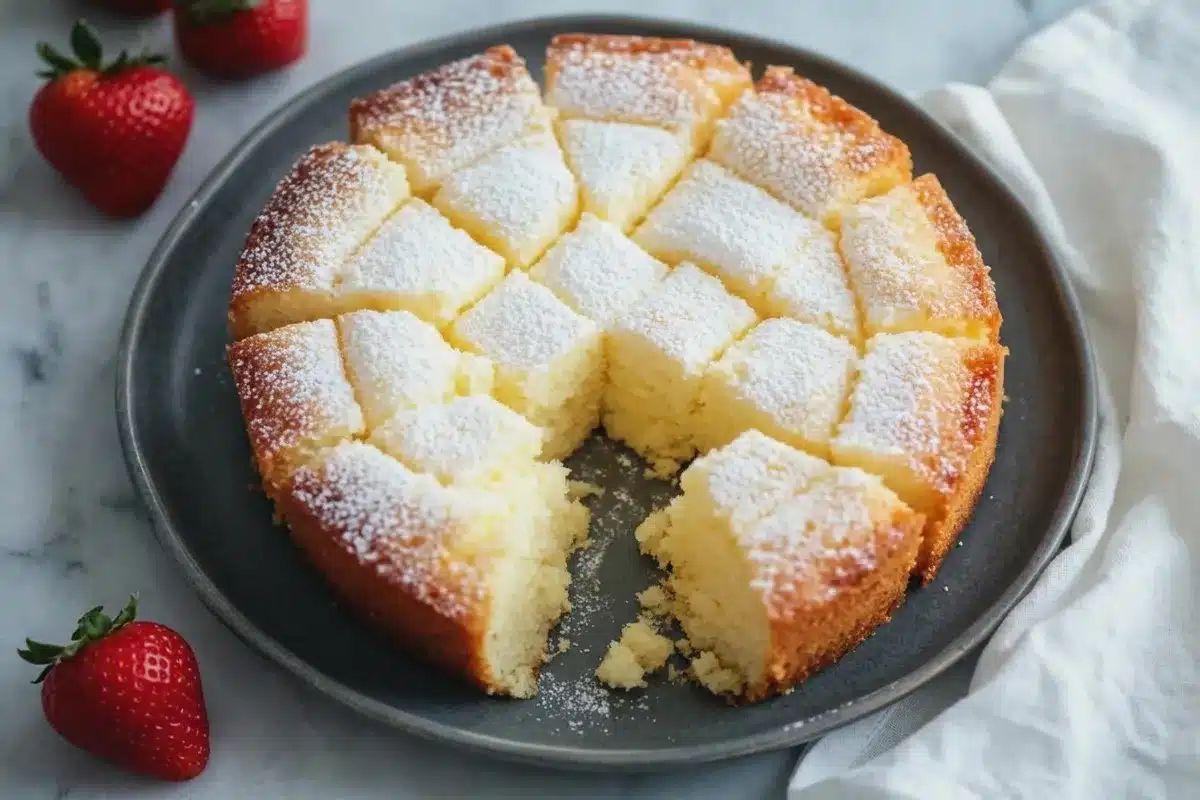
If your afternoon routine is missing that touch of Parisian elegance, our Classic French Butter Cake is the ultimate cure. Known in France as a true goûter or tea-time essential, this cake strips away the fussy layers of frosting and complex pastry techniques to focus on one glorious element: pure, rich butter. It delivers a golden, slightly crackled crust that gives way to a dense, meltingly tender interior with a deeply comforting aroma.
At inasrecipes.com, we adore desserts that celebrate simplicity. This cake is designed to be sliced thick and enjoyed alongside a hot cup of espresso, Earl Grey tea, or fresh berries, proving that the most luxurious treats often require the fewest ingredients.
Creamsicle Angel Food Cake: Your Ultimate Summer Delight
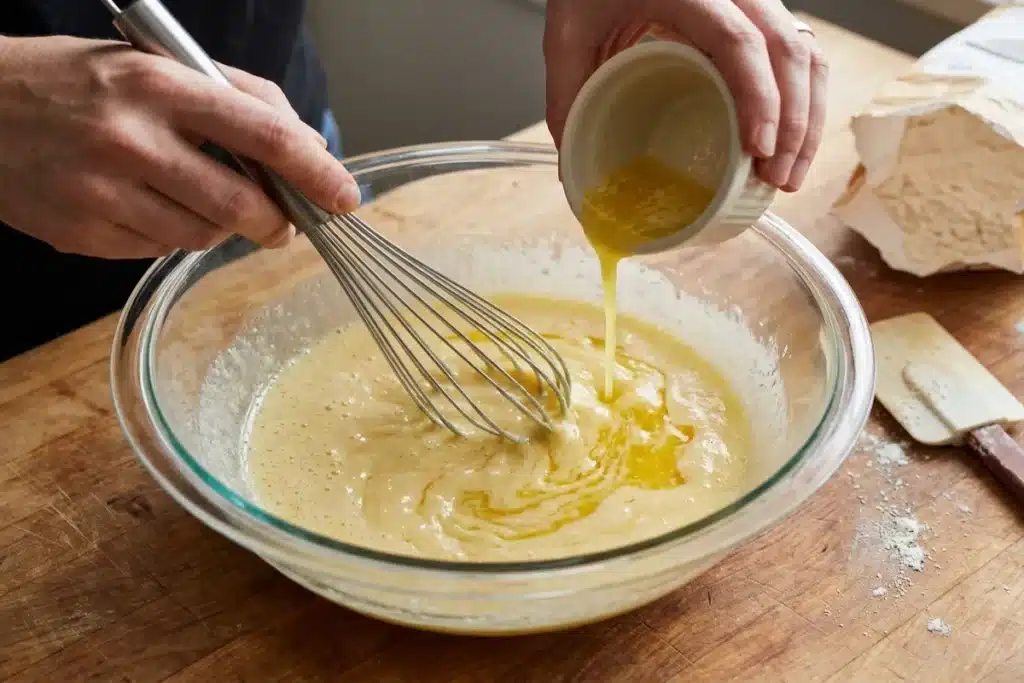
Table of Contents
The Science of an Authentic French Crumb
Unlike an airy birthday sponge cake, a classic butter cake relies on a specific structural density. To achieve that authentic French texture, follow these baking rules:
- The Temperature Harmony: Your butter, eggs, and sugar must all be at room temperature before you begin. Cold eggs will instantly seize melted or creamed butter, causing your batter to break and bake unevenly.
- Don’t Over-Aerate: While American cakes often call for whipping butter and sugar for several minutes to trap air, a French butter cake requires gentle mixing. We want just enough blending to incorporate the ingredients without creating huge air pockets.
- The Sift Protection: Always sift your flour. Because this batter is thick and rich, sifting ensures the dry ingredients fold in smoothly without requiring aggressive mixing, keeping the cake tender rather than tough.
Recipe: Traditional French Tea Cake
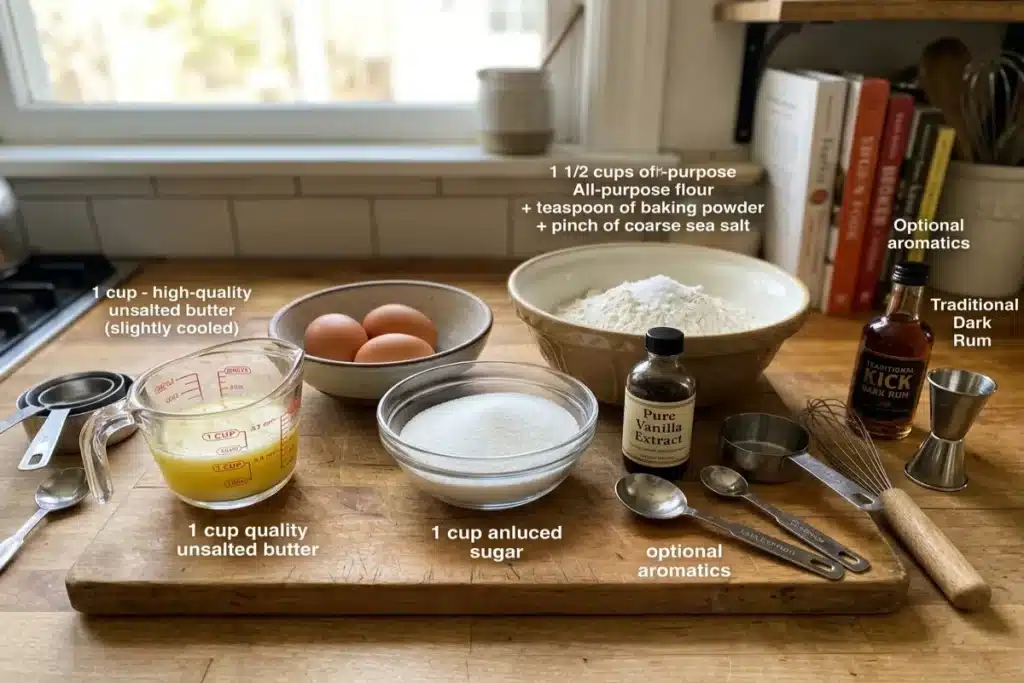
Ingredients
- The Star: 1 cup high-quality unsalted butter (melted and cooled slightly).
- The Sweet Base: 1 cup granulated sugar and 3 large eggs (room temperature).
- The Structure: 1 ½ cups all-purpose flour, 1 tsp baking powder, and a pinch of sea salt.
- The Aromatics: 1 tsp pure vanilla extract (or 1 tbsp dark rum for a traditional kick).
Instructions
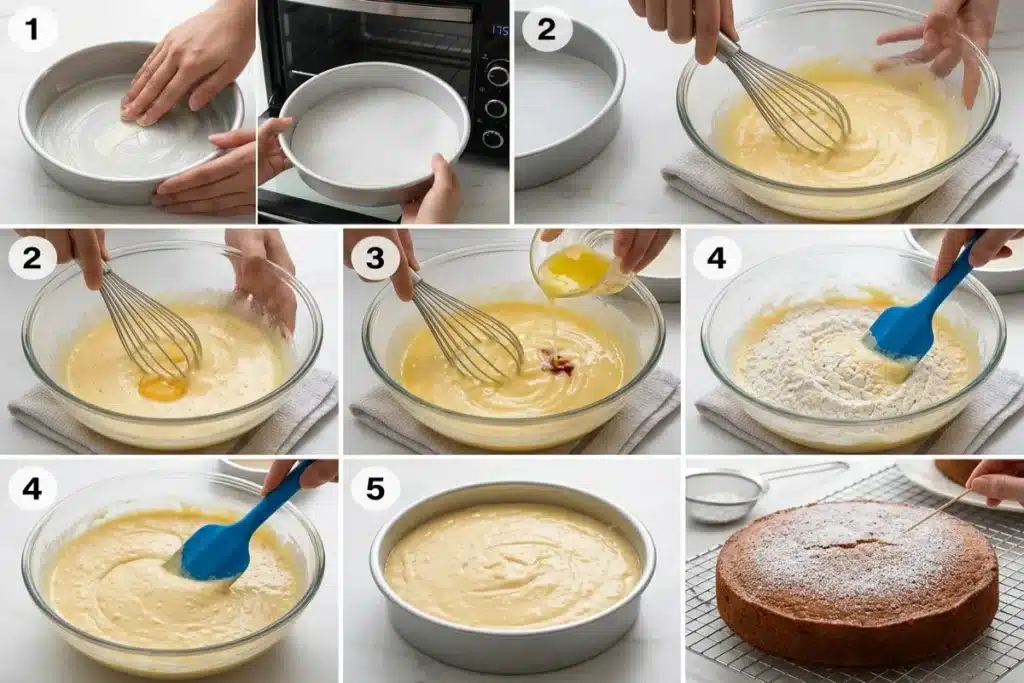
- Prep: Preheat your oven to 175°C (350°F). Grease an 8-inch round cake pan with butter and line the bottom with parchment paper.
- Whisk: In a large bowl, whisk the granulated sugar and room-temperature eggs together for about 1 to 2 minutes until the mixture turns pale yellow and slightly frothy.
- Emulsify: Slowly pour the melted butter and vanilla extract into the egg mixture, questioning or whisking constantly until a glossy, uniform liquid forms.
- Fold: Sift the flour, baking powder, and salt directly into the bowl. Using a rubber spatula, gently fold the dry ingredients into the wet batter just until the flour disappears. Do not overmix!
- Bake: Pour the thick batter into your prepared pan and smooth the top. Bake for 35 to 40 minutes until the top is a deep golden-brown and a toothpick inserted into the center comes out clean. Let it cool in the pan for 10 minutes, then invert onto a wire rack. Dust with powdered sugar before slicing.
Frequently Asked Questions (FAQ)
Why is it called butter cake?
It is called a butter cake because butter is the primary ingredient and the absolute star of the flavor profile. Unlike sponge cakes or chiffon cakes, which rely heavily on whipped eggs or vegetable oil for moisture, a butter cake uses a massive ratio of solid or melted butter. This fat coats the flour proteins, creating an intensely rich, moist flavor and a dense, tight-knit crumb structure.
What makes French butter special?
French butter is globally renowned because it is cultured and carries a significantly higher butterfat content than standard American butter. French butter is allowed to ferment with live bacterial cultures before churning, which develops a distinctively tangy, nutty, and complex flavor. Furthermore, it typically contains 82% to 85% butterfat (compared to the 80% standard in the US), meaning it contains less water, resulting in flakier pastries and richer cakes.
Why is butter cake not fluffy?
A traditional butter cake is not meant to be light and fluffy because the high ratio of butter fat creates a dense, tight, and velvety crumb. Heavy fats naturally weigh down a batter, preventing it from trapping large volumes of air like an angel food or sponge cake would. If your butter cake is excessively dense or rubbery, however, it is likely a sign of over-mixing the flour, which develops too much gluten and creates a tough texture.
What are traditional French cakes?
France boasts a legendary catalog of traditional everyday cakes. Beyond the elite pastries found in Paris shop windows, French home bakers frequently whip up a Gâteau au Yaourt (a simple yogurt cake measured using yogurt tubs), a Quatre-Quarts (the French equivalent of a pound cake, meaning “four-quarters”), a classic Gâteau Breton (a salted butter cake from Brittany), and individual Financiers or Madeleines enjoyed during afternoon tea.
Juicy Pineapple Heaven Cake (Just 5 Ingredients!)
Conclusion
Our Classic French Butter Cake is a beautiful reminder that you don’t need elaborate frostings or complex decorating skills to create a masterpiece. It is pure, elegant, and perfect in its simplicity.
For more timeless European baking tutorials and effortless afternoon desserts, visit us at inasrecipes.com!
Print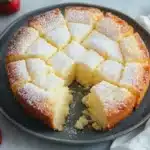
Classic French Butter Cake (Tea Time Essential)
- Total Time: 55 minutes
- Yield: 8 slices 1x
- Diet: Vegetarian
Description
A rich and buttery classic cake with a tender crumb, golden crust, and delicate vanilla aroma. Perfect with coffee or dusted lightly with powdered sugar.
Ingredients
- 1 cup unsalted butter (melted and cooled slightly)
- 1 cup granulated sugar
- 3 large eggs (room temperature)
- 1 1/2 cups all-purpose flour
- 1 tsp baking powder
- Pinch of sea salt
- 1 tsp pure vanilla extract or 1 tbsp dark rum
Instructions
- Preheat the oven to 175°C (350°F).
- Grease an 8-inch round cake pan and line the bottom with parchment paper.
- Whisk the sugar and eggs together until pale and slightly frothy.
- Slowly whisk in the melted butter and vanilla extract until smooth and glossy.
- Sift the flour, baking powder, and salt into the bowl.
- Fold the dry ingredients gently into the batter until just combined.
- Pour the batter into the prepared cake pan and smooth the top.
- Bake for 35 to 40 minutes until golden brown and a toothpick comes out clean.
- Cool in the pan for 10 minutes before transferring to a wire rack.
- Dust with powdered sugar before serving.
Notes
Avoid overmixing the batter to keep the cake light and tender. For a traditional flavor twist, substitute vanilla extract with dark rum.
- Prep Time: 15 minutes
- Cook Time: 40 minutes
- Category: Dessert
- Method: Baking
- Cuisine: Classic French
Nutrition
- Serving Size: 1 slice
- Calories: 360
- Sugar: 20g
- Sodium: 140mg
- Fat: 22g
- Saturated Fat: 13g
- Unsaturated Fat: 7g
- Trans Fat: 0g
- Carbohydrates: 36g
- Fiber: 1g
- Protein: 5g
- Cholesterol: 115mg